Introduction
The advancement of technology has revolutionized various aspects of our lives, including the way we buy and sell property. One technological innovation that is rapidly reshaping the real estate industry is Virtual Reality (VR). This immersive technology allows potential buyers to virtually explore properties from anywhere in the world, bringing a level of convenience and efficiency previously unimaginable in the industry.
So, how exactly is VR changing the real estate landscape, and what can industry players do to leverage this technology to their advantage? This comprehensive guide will shed some light on these questions, providing a detailed overview of the use of VR in real estate.
As we delve deeper into the realm of technology in the introductory phase, it is vital to acknowledge the profound impact it has had on consumer behavior. With the rise of e-commerce platforms and mobile shopping apps, the traditional brick-and-mortar retail experience has been transformed into a convenient and personalized online shopping journey. Customers now have access to a vast array of products at their fingertips, enabling them to make informed purchasing decisions from the comfort of their homes.
Moreover, the introduction of artificial intelligence and big data analytics has further enhanced the shopping experience by providing tailored product recommendations and targeted marketing strategies. By analyzing consumer preferences and past purchasing behavior, retailers can offer personalized suggestions, ultimately creating a more engaging and satisfying shopping experience for their customers. This personalized approach not only boosts customer satisfaction but also fosters brand loyalty in an increasingly competitive market landscape.
How VR is Revolutionizing Real Estate
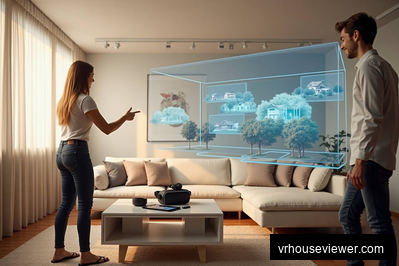
VR technology offers a transformative approach to viewing properties. Instead of physically visiting a location, prospective buyers can take a virtual tour of a property using VR headsets. This virtual inspection offers a 360-degree view of the property, allowing the buyer to get a feel for the space without being there in person.
For example, real estate company Matterport has been at the forefront of implementing VR in property viewings. Their 3D technology allows potential buyers to navigate through properties with ease, offering a level of detail and immersion that traditional photos cannot match. The results are telling: according to a case study by Matterport, properties listed with 3D virtual tours receive 49% more qualified leads than those without.
In addition to virtual property tours, VR is also revolutionizing the interior design process within the real estate industry. Designers and homeowners can now utilize VR technology to visualize and customize interiors before making any physical changes. This not only streamlines the decision-making process but also allows for more creative and personalized design solutions. For instance, clients can virtually test different furniture layouts, paint colors, and decor styles in real-time, leading to more informed and satisfying design choices. This level of immersive experience not only enhances customer satisfaction but also saves time and resources by minimizing costly design mistakes.
Benefits of VR in Real Estate
The use of VR in real estate offers several benefits for both buyers and sellers. For buyers, VR saves time and resources by eliminating the need for physical travel. This is particularly beneficial for international or out-of-state buyers who can now view multiple properties from the comfort of their homes. Furthermore, VR provides a more realistic and interactive view of the property than traditional photographs, helping buyers make informed decisions.
For sellers and real estate agents, VR provides a competitive edge in a crowded market. Properties with VR tours attract more attention and generate more leads, resulting in faster sales. Additionally, VR allows for the showcase of properties still under construction, helping developers and real estate agents to start selling earlier. For instance, Sotheby's International Realty reported a 60% faster sales rate for properties listed with VR tours compared to those without.
In addition to enhancing the property viewing experience, VR technology in real estate can significantly reduce the time and costs associated with property inspections. By allowing potential buyers to virtually walk through multiple properties from the comfort of their homes, VR eliminates the need for physical visits to numerous locations. This not only streamlines the house-hunting process but also benefits sellers by attracting serious buyers who have already pre-screened the properties through virtual tours. Furthermore, VR can help showcase properties that are still under construction or in distant locations, offering a realistic and immersive preview that traditional photos or videos may not capture accurately.
Challenges and Solutions
While VR offers numerous benefits, it's not without challenges. The cost of VR technology can be prohibitive for some real estate firms, especially smaller ones. However, as technology advances and becomes more mainstream, prices are expected to drop. Another challenge is the need for high-quality content to create immersive VR experiences. This requires professional shooting and editing, which can be time-consuming and expensive.
To overcome these challenges, some innovative solutions have emerged. Companies like Zillow are offering DIY VR tour solutions, allowing real estate agents to create their own VR tours using smartphones. This reduces the need for professional shooting and makes VR more accessible to smaller firms. Additionally, the use of cloud-based platforms can help reduce the cost of VR by providing scalable solutions that can grow with a business.
One significant challenge faced in the realm of VR technology is the issue of motion sickness experienced by some users. This discomfort can hinder the immersive experience and limit the adoption of VR applications, particularly in industries where user comfort is paramount, such as healthcare or training simulations. To address this challenge, developers are actively working on refining motion algorithms and enhancing hardware capabilities to reduce motion sickness and provide a more seamless user experience.
Another key challenge is the need for high computational power and advanced hardware to run VR applications smoothly. This can pose a barrier to entry for individuals or organizations looking to leverage VR technology. However, one solution to this challenge is the emergence of cloud-based VR solutions that offload the heavy computational tasks to remote servers, making VR more accessible and cost-effective for a wider audience.
The Future of VR in Real Estate
The future of VR in real estate looks promising. According to Goldman Sachs, the VR market in real estate is expected to reach $2.6 billion by 2025. As technology continues to advance, we can expect VR to become an integral part of the real estate buying and selling process. Future developments may include the integration of VR with other technologies like Artificial Intelligence (AI) to create even more immersive and personalized experiences.
As an example of the future potential of VR, consider the case of Virtual Xperience, a company that uses VR to create lifelike renderings of properties still under construction. These virtual renderings allow buyers to customize their future homes, choosing finishes, furniture, and even viewing different times of day to understand lighting. This level of customization and interactivity is only possible with VR, demonstrating the vast potential of this technology in the real estate industry.
As we delve deeper into the realm of virtual reality (VR) in real estate, one can't help but envision the myriad possibilities it offers. Imagine potential buyers being able to take virtual tours of properties from the comfort of their homes, immersing themselves in a realistic 3D environment that showcases every detail of a house or apartment. This level of immersive experience not only saves time and resources for both buyers and real estate agents but also opens up new avenues for marketing properties in innovative ways.
Moreover, the integration of VR in real estate can revolutionize the way architectural designs are visualized and presented. Architects and developers can use VR technology to create virtual walkthroughs of their projects, allowing clients to experience spaces before they are even built. This not only enhances the design process but also facilitates better communication and understanding between stakeholders. The future of VR in real estate is indeed bright, paving the way for a more engaging, efficient, and interactive property viewing experience.
Conclusion
In conclusion, VR technology is revolutionizing the real estate industry, offering unmatched convenience and efficiency for buyers and sellers. While there are challenges associated with the cost and content creation, innovative solutions are emerging to make VR more accessible. As technology continues to advance, VR is set to become an integral part of the real estate industry, offering exciting opportunities for innovation and growth.
To stay competitive in this evolving landscape, real estate firms should consider embracing VR technology. This could involve investing in VR equipment, partnering with VR companies, or exploring DIY VR solutions. By harnessing the power of VR, real estate professionals can provide a superior service to their clients, ultimately driving growth and success in this dynamic industry.
Delving deeper into the conclusion of how VR technology is transforming the real estate landscape, it's fascinating to note the diverse applications beyond property viewing. Virtual reality is now being utilized for interior design simulations, allowing clients to visualize different decor styles and furniture placements in a realistic setting. This immersive experience enhances decision-making processes and fosters more personalized interactions between buyers and sellers.
Moreover, the integration of VR technology in property development has streamlined the architectural design phase. Architects can create virtual models of buildings, enabling them to identify potential design flaws early on and make necessary adjustments before construction begins. This not only saves time and resources but also ensures that the final product meets the highest standards of quality and functionality. Indeed, the impact of VR technology in the real estate sector goes beyond mere convenience, paving the way for innovative practices and enhanced user experiences.