Introduction
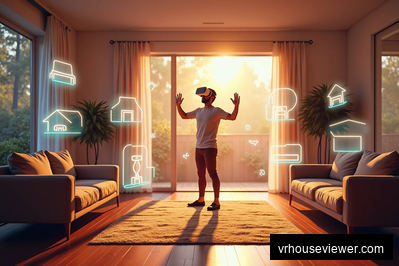
In an era where technology is rapidly transforming our everyday lives, the prospect of customizing your dream home has taken a futuristic turn. Virtual reality (VR) has burst into the home designing industry, offering an immersive, interactive experience that revolutionizes the way we envision and realize our ideal living spaces. No longer confined to the parameters of traditional architectural methods, VR allows users to step into their dream home before it even exists in real life.
With the remarkable advances in VR technology, home customization is no longer a question of imagining, but experiencing. This article explores the fascinating world of virtual home customization, providing practical insights, expert perspectives, and a step-by-step guide on how to navigate this new frontier.
Building upon the notion of introductions in the digital age, it's fascinating to observe how personalized recommendations are shaping our online experiences. Imagine delving into a streaming platform and being greeted with a meticulously curated selection of shows based on your viewing history and preferences. This tailored introduction not only saves time but also enhances user engagement by offering content that resonates with individual tastes and interests.
Moreover, in the realm of e-commerce, the concept of product introductions has evolved significantly. From dynamic landing pages that greet visitors with personalized product suggestions to interactive chatbots that guide users through tailored shopping experiences, businesses are leveraging customization to forge meaningful connections with their audience right from the start. These innovative approaches to introductions underscore the power of technology in fostering user engagement and cultivating a personalized online journey.
The Rise of Virtual Reality in Home Design
Virtual Reality has been making waves in the home design industry for several years now. According to a report by Grand View Research, the global VR market was valued at USD 15.81 billion in 2020 and is expected to expand exponentially in the coming years. The home design sector has been a significant contributor to this growth, with companies harnessing VR to enhance customer experiences and streamline design processes.
Companies like IKEA and Lowe's have been pioneers in this regard, introducing VR home design solutions that allow customers to visualize and plan their spaces with unprecedented ease and accuracy. For example, IKEA's VR Kitchen Experience, launched in 2016, enables users to explore and interact with a fully furnished, 3D kitchen environment, experimenting with different layouts, furniture, and finishes before making a purchase.
As the demand for personalized home spaces grows, virtual reality technology is revolutionizing the way homeowners envision their dream interiors. Beyond just visualizing designs, VR now offers immersive experiences where users can virtually walk through their future homes, exploring every detail before any construction begins. This level of interaction not only enhances the design process but also helps in making informed decisions about layout, materials, and overall aesthetics.
Moreover, virtual reality tools are increasingly being integrated with online home design platforms, allowing users to experiment with different styles, colors, and furniture arrangements in real-time. Imagine being able to swap out furniture pieces or change wall colors instantly, all within a virtual representation of your living room. This level of flexibility and creativity is pushing the boundaries of traditional home design, empowering homeowners to truly personalize their spaces like never before.
How to Customize Your Dream Home in Virtual Reality
Customizing your dream home in VR involves a series of steps, beginning with the creation of a digital blueprint. Using specialized software, designers can construct a 3D model of your home, incorporating your specifications and preferences. The next step involves rendering this model in VR, transforming it into an interactive, immersive environment that you can explore at your leisure.
One of the most popular platforms for this purpose is Sketch Up, a 3D modeling software that is compatible with VR equipment like Oculus Rift and HTC Vive. Sketch Up allows users to create detailed models of their dream homes, including interior and exterior elements, and view them in VR. The software also features an extensive library of pre-made models, offering a wide range of design options for users.
When customizing your dream home in virtual reality, it's not just about picking furniture and colors; it's about creating a fully immersive experience. Imagine being able to walk through your virtual home, feeling the textures of different materials, adjusting lighting to see how it changes the ambiance, and even hearing the sound of your favorite music playing in each room. These details can truly bring your dream home to life in a way that traditional blueprints or mood boards cannot capture.
Furthermore, virtual reality technology allows for real-time collaboration with architects and designers, enabling you to make instant changes and see the results immediately. You can experiment with various layouts, experiment with unconventional designs, and truly personalize every aspect of your home down to the smallest detail. The ability to customize your dream home in virtual reality opens up a world of possibilities, making the design process more interactive, engaging, and ultimately, more fulfilling.
Pros and Cons of Virtual Reality in Home Customization
Like any technology, VR in home customization comes with its own set of advantages and disadvantages. On the positive side, VR provides an unparalleled level of immersion and interactivity. It allows users to experience their designs in real-time, facilitating better decision-making and reducing the likelihood of costly design errors. As expert architect Greg Lynn states, "VR is the first technology that actually makes the viewer an active participant in the content."
On the downside, VR can be expensive, and its adoption requires an initial investment in hardware. Some users may also experience discomfort or disorientation when using VR, known as "cybersickness." Furthermore, like any digital tool, VR comes with a learning curve, requiring users to familiarize themselves with the technology before they can fully take advantage of its capabilities.
Virtual reality (VR) technology has revolutionized the way homeowners visualize and customize their living spaces. One major advantage of using VR in home customization is the ability to experiment with various design options without making any permanent changes. Homeowners can virtually walk through their future home, trying out different color schemes, furniture layouts, and decor styles before committing to any renovations. This not only saves time but also reduces the risk of costly mistakes. On the other hand, a potential downside of relying solely on VR for home customization is the lack of tactile feedback. While VR can provide a realistic visual representation of a space, it may not accurately convey the texture of materials or the actual dimensions of furniture pieces, which could lead to discrepancies between the virtual design and the final result.
Looking to the Future: Augmented Reality and AI in Home Customization
While VR is currently revolutionizing the home design industry, other technologies like augmented reality (AR) and artificial intelligence (AI) are poised to take it to new heights. AR overlays digital information onto the real world, allowing users to visualize how furniture or decor would look in their actual spaces. Companies like Houzz and Wayfair have already introduced AR features in their apps, enabling users to virtually 'place' products in their homes before buying them.
AI, on the other hand, has the potential to automate and enhance the design process, making it more efficient and customized. For instance, AI could analyze user preferences and behaviors to suggest personalized design solutions, or generate 3D models automatically based on user input. While these applications are still in their infancy, they represent exciting possibilities for the future of home customization.
As we look ahead to the future of home customization, the integration of Artificial Intelligence (AI) with Augmented Reality (AR) holds immense promise. Imagine a scenario where AI algorithms analyze not just your design preferences but also your lifestyle habits, to suggest customizations that perfectly align with your needs. Picture using AR glasses to visualize different furniture layouts in real-time, allowing you to see how each piece fits within your space before making a purchase. These technologies could revolutionize the way we interact with our living environments, offering a personalized and immersive home design experience unlike anything we've seen before.
Conclusion
The advent of virtual reality in home customization marks a significant shift in how we conceive and realize our dream homes. By transforming abstract ideas into immersive, interactive experiences, VR enables users to explore, experiment, and perfect their designs in a way that was previously unimaginable. Despite its challenges, VR represents an exciting new frontier in home design, one that promises to make the process more engaging, efficient, and personalized than ever before.
As we look forward to the integration of more advanced technologies like AR and AI, the possibilities for home customization seem endless. As technology continues to evolve, so too will our ability to create the living spaces of our dreams. So strap on your VR headset, step into your virtual home, and let your creativity run wild.
As we draw our discussion to a close in this "Conclusion" section, it's crucial to reflect on the profound impact virtual reality has had on the realm of home customization. With the ability to virtually visualize different design elements such as furniture layouts, color schemes, and architectural changes, homeowners now have a powerful tool at their disposal to make more informed decisions about their living spaces. This transformative technology not only enhances the overall design process but also empowers individuals to experiment with creative ideas that were previously limited by traditional methods.
Moreover, the integration of virtual reality in home customization is not just a passing trend but a revolutionary development that is reshaping the way we interact with our living environments. By providing a more immersive and interactive experience, virtual reality is creating new opportunities for homeowners, interior designers, and architects to collaborate and bring innovative design concepts to life. This shift towards digital design solutions is not only streamlining the home improvement process but also fostering a more personalized and engaging approach to creating spaces that truly reflect individual preferences and styles.